As Miami continues to grow, the role of parking within the city is evolving alongside it. What was once viewed primarily as a logistical requirement is now being reconsidered as a central component of the overall urban experience.
In high-density environments such as Miami Beach and throughout South Florida, the way parking is designed, integrated, and managed directly affects how people interact with the city. Accessibility, flow, and usability are no longer secondary considerations. They are fundamental to how developments function and how neighborhoods operate over time.
This shift is driving a more thoughtful approach to real estate development, where infrastructure elements such as parking are incorporated into broader planning strategies rather than treated in isolation.
Rethinking Parking in a Growing City
Miami’s continued expansion has brought increased attention to how space is used within the urban environment. As demand rises across the residential, retail, and hospitality sectors, the importance of efficient, well-integrated parking has become more apparent.
Rather than relying on traditional models, developers are beginning to explore ways to align parking with the city’s evolving needs. This includes designing environments that balance accessibility and walkability while supporting the flow of activity across key areas, including Miami Beach, South Beach, and major commercial corridors.
In this context, parking becomes part of a larger system that shapes how people move through and experience the city on a daily basis.
From Infrastructure to Experience
A key shift in Miami real estate development is the recognition that infrastructure plays a meaningful role in defining user experience. Parking, in particular, sits at the intersection of convenience, accessibility, and overall functionality.
Well-planned parking solutions can improve how a development is perceived and used, while poorly integrated systems can create friction that impacts both residents and visitors. As a result, developers are placing greater emphasis on how parking contributes to a project’s overall cohesion.
This perspective reflects a broader movement toward designing environments that are not only efficient but also intuitive and user-focused.
Andrew Beachler’s Approach to Integrated Development
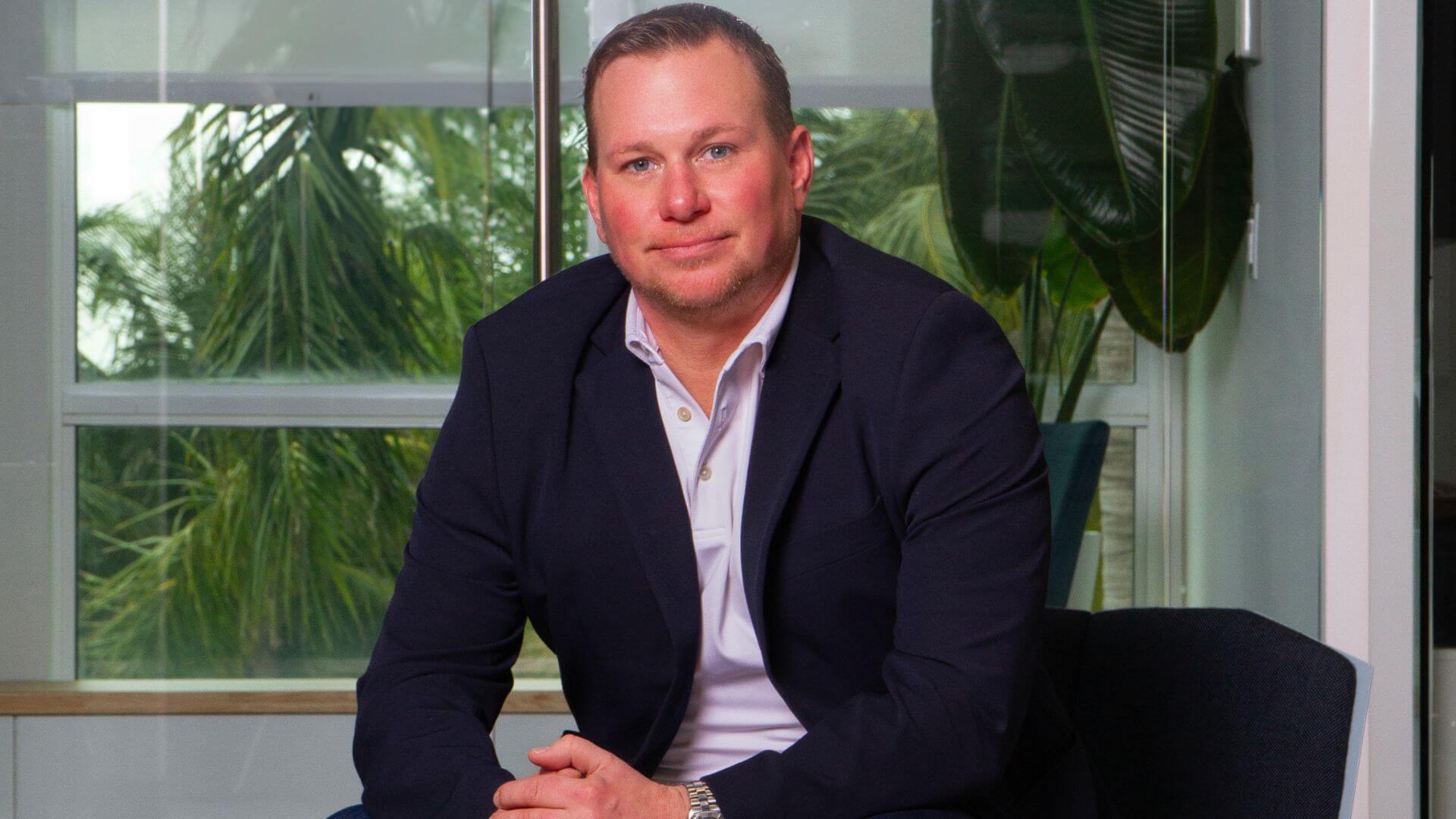
Andrew Beachler, through Beachler Investments, has emphasized an approach to development that considers both strategic positioning and real-world functionality. Rather than focusing solely on individual project components, this approach prioritizes how all elements work together within a cohesive framework.
As outlined in the philosophy behind Beachler Investments, development is viewed as both an investment strategy and a long-term responsibility. This includes understanding how infrastructure elements, such as parking, influence a space’s overall success and usability.
By approaching development this way, parking is not treated as a constraint but as an integrated feature that supports the project’s broader goals.
Integration Through Mixed-Use Design
One of the most effective ways to enhance parking functionality is by integrating mixed-use development that strengthens neighborhood identity.
By bringing together residential, retail, and experiential components within a single environment, mixed-use developments can create more efficient and balanced parking demand. This reduces strain on individual systems while improving accessibility and overall flow.
In cities like Miami, where space is limited and activity levels are high, this approach allows for more adaptable and resilient development outcomes.
Strategic Development in Miami Beach
Beachler Investments’ expansion into Miami, including its acquisition of a development site on Washington Avenue in Miami Beach, reflects a focus on locations where thoughtful planning can have a meaningful impact.
Situated near South Beach, this corridor is a dynamic, high-traffic environment where accessibility and movement are central to development performance. By approaching projects in these areas with a comprehensive planning strategy, developers can create spaces that are both functional and aligned with the surrounding urban landscape.
As detailed in Beachler Investments’ Miami development acquisition, this approach emphasizes long-term value and integration within one of South Florida’s most active markets.
A Broader Shift in South Florida Development
The evolving role of parking reflects a larger transformation in how real estate development is approached across South Florida. Increasingly, the focus is on creating environments that balance efficiency, accessibility, and experience within a cohesive framework.
This shift extends beyond individual projects and speaks to how cities like Miami are adapting to continued growth. Developers who account for these dynamics early in the planning process are better positioned to deliver projects that remain relevant and effective over time.
Final Perspective
As Miami continues to evolve, the conversation around parking is moving beyond capacity and regulation toward a more integrated understanding of how infrastructure shapes the urban experience.
By approaching development with a focus on functionality, adaptability, and long-term value, Andrew Beachler and Beachler Investments are contributing to a more thoughtful model of real estate development, one that reflects both the opportunities and the complexity of growth in South Florida.
Frequently Asked Questions About Parking and Development in Miami
Why is parking important in Miami real estate development?
Parking plays a key role in how developments function, influencing accessibility, convenience, and overall user experience in high-density areas like Miami and Miami Beach.
How is parking evolving in Miami?
Parking in Miami is increasingly being integrated into broader development strategies, with a focus on efficiency, mixed-use design, and improving how people move through urban environments.
What is mixed-use development, and how does it impact parking?
Mixed-use development combines residential, retail, and commercial spaces, helping to balance parking demand and improve overall accessibility within a single environment.
Where is Beachler Investments developing in Miami?
Beachler Investments has expanded into Miami Beach, including a development site on Washington Avenue near South Beach, a high-activity corridor within the city.
How does thoughtful development improve parking experiences?
Thoughtful development improves parking by integrating it into the overall design, reducing friction, improving flow, and aligning infrastructure with how people use a space.