Fort Lauderdale continues to evolve as one of South Florida’s most active real estate markets, but the nature of that growth is beginning to change. While demand remains strong, there is growing recognition that the long-term success of development is determined not solely by scale or speed but by how well projects integrate into the fabric of the city.
This shift has placed greater emphasis on thoughtful planning, community alignment, and the creation of spaces that extend beyond their immediate footprint. In this context, development becomes less about individual assets and more about contributing to a broader urban environment that is both functional and enduring.
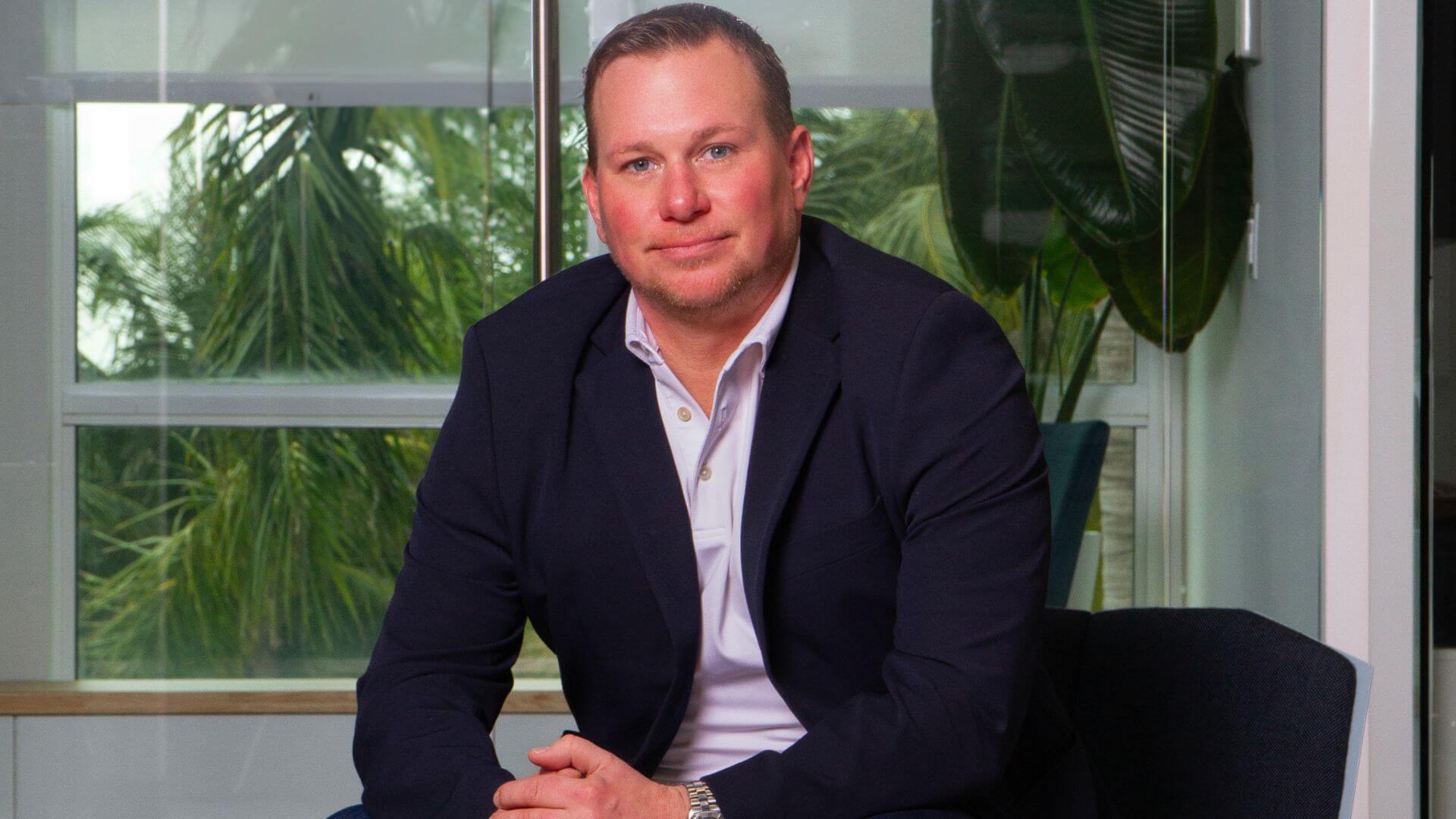
Within this landscape, Andrew Beachler, through Beachler Investments, has focused on a development approach that reflects these priorities while remaining grounded in disciplined execution.
A More Intentional Approach to Growth in Fort Lauderdale
The continued expansion of Fort Lauderdale has been driven by a combination of population inflows, business activity, and its strategic position within the South Florida region. As these forces converge, the expectations placed on new development have become more nuanced.
There is a growing understanding that projects must do more than meet immediate demand. They must also respond to the character of the neighborhoods they occupy, support local economic ecosystems, and contribute to the city’s overall experience.
This has led to a shift toward development strategies that prioritize long-term relevance over short-term momentum, particularly in areas where existing infrastructure and community identity play a significant role.
Andrew Beachler’s Development Philosophy
Andrew Beachler’s work reflects a consistent focus on identifying opportunities within established environments and enhancing them to create durable value. Rather than pursuing development for its own sake, the emphasis is on how each project contributes to its surroundings and performs over time.
This perspective aligns with the philosophy behind Beachler Investments, in which development is approached as both an investment strategy and a long-term responsibility.
By concentrating on strategic redevelopment, Beachler Investments can work within existing urban contexts, unlocking value while preserving the elements that make those locations viable and attractive.
Integration Through Mixed-Use Design
A central component of this approach is the integration of mixed-use environments that cohesively bring together residential, commercial, and experiential elements. These developments reflect a broader shift in how cities function, in which the separation between living, working, and leisure continues to narrow.
Beachler Investments has emphasized this through its focus on mixed-use design that strengthens neighborhood identity, recognizing that well-planned environments tend to support both economic activity and community engagement more effectively than single-purpose developments.
This is complemented by a broader commitment to building for people, not just profit, where usability and experience are considered alongside financial performance.
Marina Mar and the Value of Waterfront Redevelopment
The Marina Mar project in Fort Lauderdale provides a clear example of how these principles are applied in practice. Located along the Intracoastal Waterway at 3100 NE 32nd Avenue, the site represents a strategic waterfront position within one of the city’s most active corridors.
Acquired for approximately $12 million and spanning more than 72,000 square feet, the property is being repositioned as a mixed-use destination that reflects both its location and its surrounding context. The redevelopment is designed to introduce a combination of commercial and lifestyle components while enhancing access to and interaction with the waterfront.
Rather than functioning as an isolated development, Marina Mar is intended to contribute to the area’s broader experience, supporting local activity and reinforcing the role of the Intracoastal as a defining feature of Fort Lauderdale.
This approach is consistent with Beachler Investments’ broader efforts in community-focused redevelopment, where projects are evaluated not only by their individual performance but by their contribution to the surrounding environment.
Long-Term Value and Community Alignment
As Fort Lauderdale continues to grow, the distinction between projects that deliver immediate impact and those that provide sustained value becomes increasingly important. Developments that are designed with a clear understanding of their context tend to integrate more effectively, support local economies, and remain relevant over time.
These characteristics are often highlighted in discussions about how development can positively impact its community, with long-term outcomes shaped by decisions made early in the planning process.
By maintaining a focus on these principles, Beachler Investments positions its projects to align with both market demand and community needs.
Investment Perspective and Market Positioning
From an investment standpoint, this approach reflects a balance between strategic discipline and forward-looking positioning. Rather than relying on short-term cycles, it emphasizes assets and locations with the potential for sustained performance in a changing market.
As explored in Why Leadership Matters in Florida’s Real Estate Development Boom, leadership is central to navigating these dynamics, particularly in markets where both competition and growth are accelerating.
Under Andrew Beachler’s leadership, Beachler Investments continues to apply a consistent framework that prioritizes long-term value, measured growth, and alignment with broader market trends.
Final Perspective
The trajectory of Fort Lauderdale’s real estate market will ultimately be shaped by decisions about how and where development occurs. As expectations continue to evolve, the emphasis on integration, adaptability, and long-term thinking is likely to become even more pronounced.
Through its focus on strategic redevelopment, mixed-use integration, and community alignment, Beachler Investments exemplifies a development model that reflects these priorities while contributing to Fort Lauderdale’s continued evolution.
Frequently Asked Questions About Andrew Beachler, Beachler Investments, and Fort Lauderdale Real Estate
Who is Andrew Beachler?
Andrew Beachler is a real estate developer and founder of Beachler Investments, focused on strategic, community-driven development in Fort Lauderdale and South Florida. His work emphasizes long-term value creation through thoughtful planning and redevelopment.
What is Beachler Investments known for in Fort Lauderdale?
Beachler Investments is known for its focus on mixed-use development, strategic urban redevelopment, and community-oriented projects. The firm prioritizes developments that integrate with existing neighborhoods while supporting long-term economic and social value.
What is the Marina Mar development in Fort Lauderdale?
The Marina Mar project is a waterfront redevelopment located along the Intracoastal Waterway at 3100 NE 32nd Avenue in Fort Lauderdale. The site spans more than 72,000 square feet and is being repositioned as a mixed-use destination that enhances the surrounding area.
Why is Fort Lauderdale attractive for real estate development?
Fort Lauderdale continues to attract investment due to population growth, business expansion, and its location within South Florida. Demand for walkable, mixed-use environments has increased, creating opportunities for developers focused on long-term, integrated projects.
What is community-focused real estate development?
Community-focused development prioritizes a project’s contribution to its surrounding environment. This includes supporting local businesses, improving accessibility, and creating spaces that enhance daily life for residents and visitors.
How does Beachler Investments approach redevelopment projects?
Beachler Investments focuses on identifying underutilized properties and transforming them into higher-value assets through strategic planning and mixed-use design. The goal is to create developments that remain relevant and beneficial over time, rather than short-term projects.